
The Allure of Risk and Reward
One of the primary psychological factors that draws players to casino games is the thrill of risk and reward. The unpredictability of outcomes, whether spinning a roulette wheel or pulling a slot machine lever, creates a sense of excitement and anticipation. This gambling dynamic stimulates the brain’s reward system, releasing dopamine, a neurotransmitter associated with pleasure. As players engage with these games, they experience a rush that can be incredibly addictive, compelling them to return for more. Some players even find joy in exploring bitcoin casinos, where they can enjoy an exciting gaming experience with added privacy and new opportunities.
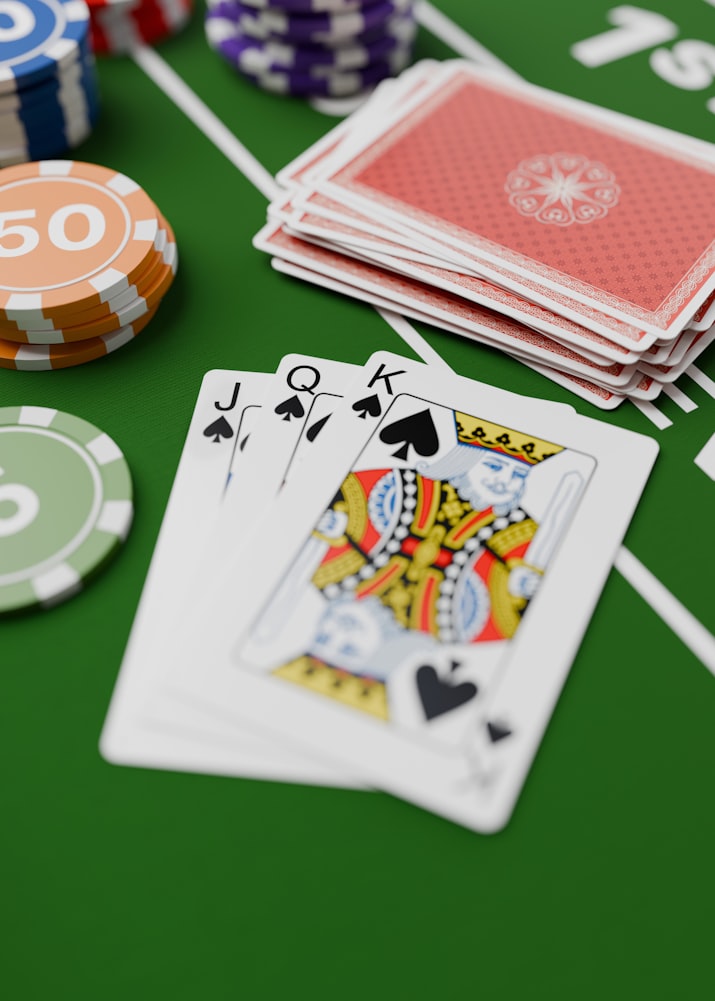
This factor is often amplified by the “near-miss” phenomenon, where players come close to winning, which can lead to an increased desire to play again. These near-misses can create a false sense of hope and reinforce the belief that a win is just around the corner, making players more likely to continue playing in search of that elusive jackpot.
The Role of Environment in Gaming Experience
The environment of a casino is meticulously designed to enhance the gaming experience, further ingraining players’ attachment to the games. Elements such as lighting, sound, and décor all work in concert to create an atmosphere that encourages prolonged engagement. Bright lights and ringing sounds when machines yield wins entice players to stay, creating a feedback loop that reinforces the desire to interact with the games.
Moreover, casinos often employ strategic layouts that guide players towards popular gaming areas, leading them to explore various games. This environmental manipulation combined with the social aspects of gaming—players cheering each other on or sharing experiences—creates a communal atmosphere that enhances enjoyment and keeps players returning to the venue.
The Impact of Personalized Experiences
Personalization plays a significant role in the psychology of casino games. Many casinos utilize player data to offer tailored experiences, such as customized promotions, bonuses, and rewards for frequent players. This personalized approach fosters a sense of loyalty and belonging, making players feel valued and appreciated.
As players receive incentives designed specifically for them, there is a psychological commitment to the casino that is formed. This sense of attachment can lead to greater investment in both time and money, as players feel a stronger connection to the games and the casino itself, perpetuating their return.
The Social Connection and Competition
Another key aspect of casino gaming psychology is the social dynamic between players. Many games are designed not only for individual play but also for group engagement. This social aspect enhances the enjoyment of the games, as players can share in the highs and lows of each round. The camaraderie built within a gaming environment fosters a stronger emotional connection to the experience.
Additionally, competitive elements, such as leaderboards or tournaments, tap into players’ innate desire for social validation and achievement. Trying to beat friends’ scores or climb the ranks in a tournament can create a sense of urgency to return and engage further, effectively drawing players back into the casino repeatedly.
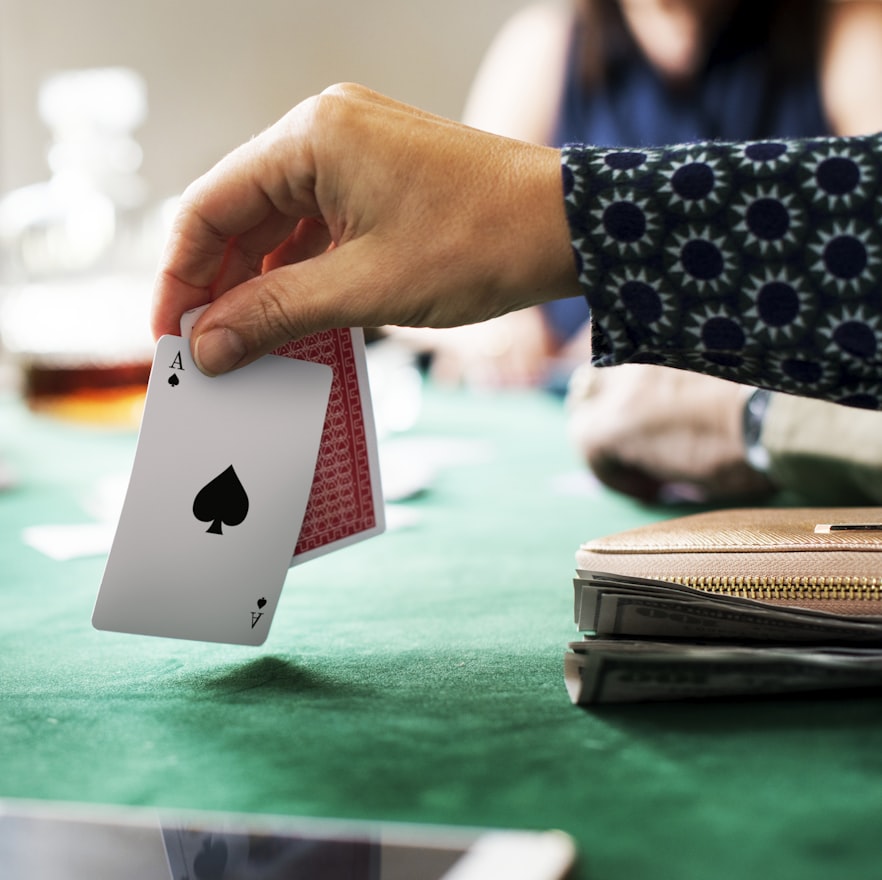
Welcome to Our Secure Gaming Environment
At our casino, we prioritize your safety while providing an exhilarating gaming experience. Our platform utilizes advanced security measures to protect your data and personal information, ensuring that you can enjoy your favorite games with peace of mind. We understand the importance of a safe environment, which is why we are committed to maintaining a reliable space for all players.
Join us as we explore the thrilling world of casino games, backed by our dedication to your security and enjoyment. Whether you are a seasoned player or new to the experience, our casino offers a welcoming and secure atmosphere that will keep you coming back for more.